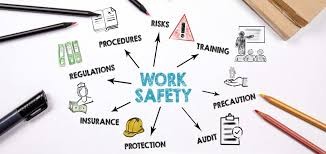
WHS course equips supervisors, managers, and safety officers with the knowledge and tools to embed a culture of safety and compliance. Through interactive workshops, participants develop skill in risk management, incident investigation, and proactive safety leadership.
* Legal responsibilities and due diligence
* Consultation and worker participation mechanisms
* Hazard identification, risk assessment, and control implementation
* Incident reporting, root cause analysis, corrective actions
* WHS performance indicators and continuous improvement cycles
Team leaders, supervisors, management-level staff wanting to lead safety excellence.
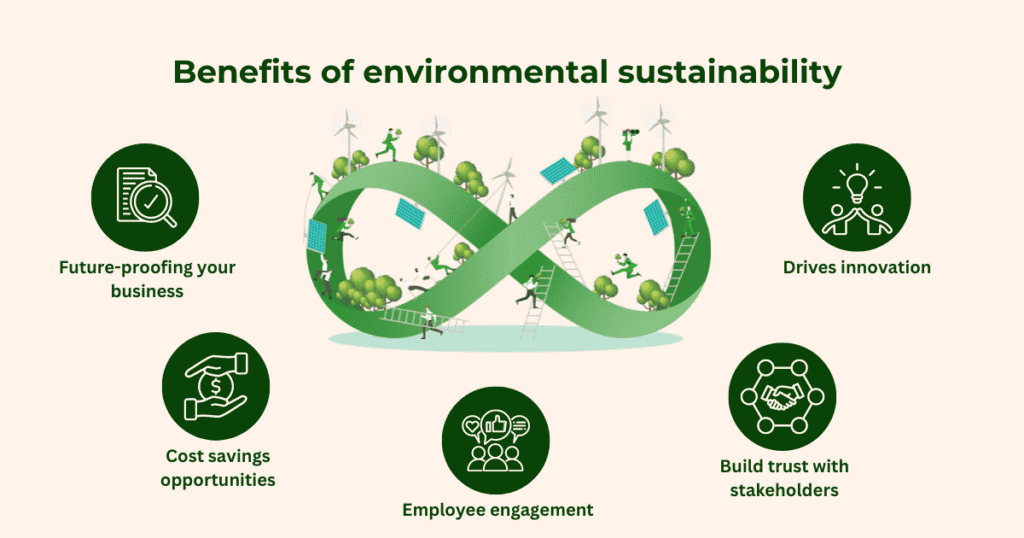
This training enables practitioners to integrate environmental best practices into daily operations. It focuses on minimizing ecological footprints and aligning with sustainability targets.
* Environmental policy and compliance frameworks
* Energy conservation, water efficiency, and pollution controls
* Green procurement and resource optimization
* Sustainability reporting and stakeholder engagement
* Circular economy principles and continuous improvement
Environmental officers, HSE professionals, project managers aiming to reduce environmental impact.

Waste Management course teaches safe, compliant handling of waste streams—from classification to disposal—within construction, industrial, and municipal contexts.
* Hazardous vs non-hazardous waste identification
* Waste handling protocols and segregation systems
* Licensing, storage, transport, and disposal regulatory requirements
* Spill response, containment, and remediation techniques
* Sustainable waste reduction: recycling, reuse, and recovery options
Site supervisors, environmental staff, waste coordinators, contractors managing waste responsibilities.
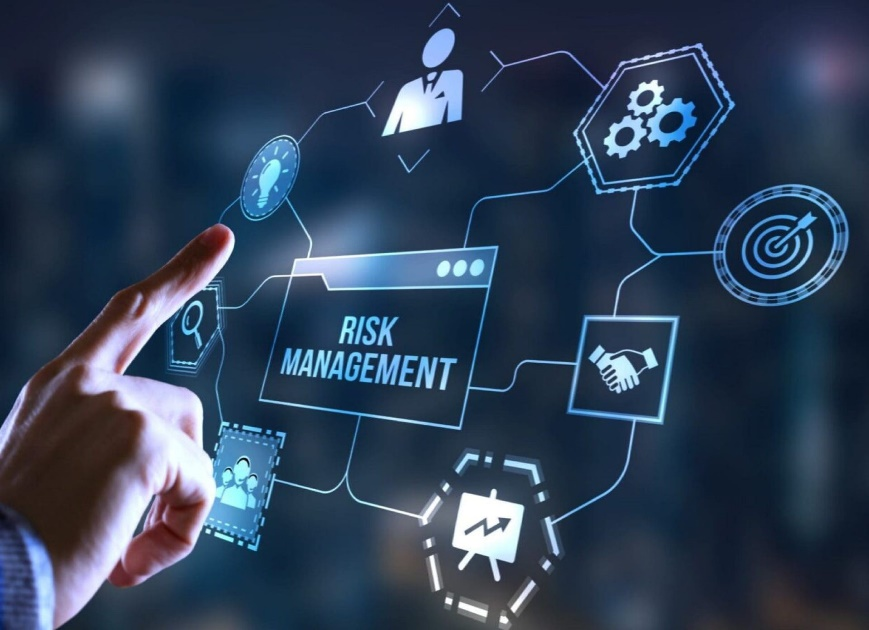
Focused on risk management fundamentals, this course helps staff systematically identify, evaluate, and mitigate workplace risks proactively and effectively.
* Risk assessment techniques (qualitative, semi-quantitative, quantitative)
* Creating context, likelihood, and consequence frameworks
* Developing and maintaining dynamic risk registers
* Applying hierarchy of controls and tracking residual risk
* Integrating risk assessment into SWMS, job planning, and ERP strategies
Safety officers, HSE engineers, project planners, operations managers.
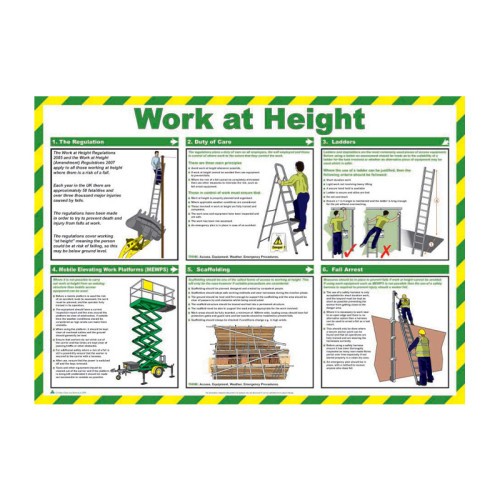
Essential for anyone working above ground level, this course teaches fall prevention, safe use of access equipment, and height-specific risk controls.
* Height hazard identification and control hierarchy
* Selecting and inspecting harnesses, lanyards, anchor systems
* Fall restraint vs fall arrest systems and clearance calculations
* Safe ladder usage, scaffolds, and elevated work platforms (EWP)
* Emergency retrieval and rescue planning for height incidents
Construction workers, maintenance technicians, scaffolders, EWP operators, supervisors.
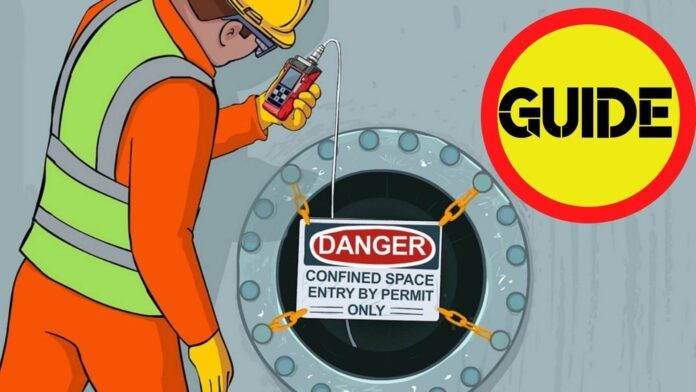
This specialized course delivers knowledge and practical skills for safe entry into and exit from confined spaces—critical for high-risk environments.
* Defining and assessing confined space hazards
* Atmospheric testing (gas detection), ventilation techniques
* Permit-to-work systems, isolation, and lock-out/tag-out
* Non-entry and entry rescue procedures, communication protocols
* Emergency response preparedness and rescue equipment use
Operators, maintenance teams, gas testers, safety officers, rescue personnel.
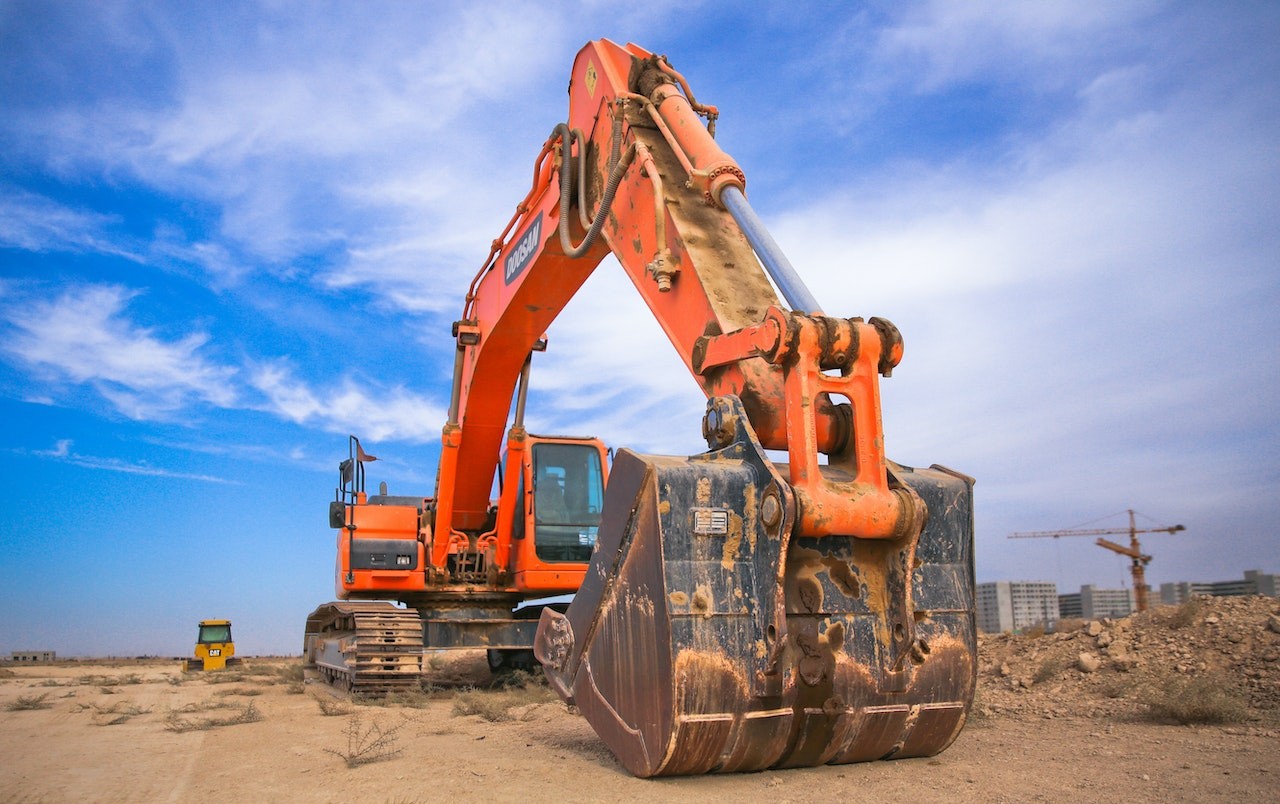
Pinnecore’s training ensures safe operation, inspection, and maintenance of plant and machinery commonly used in industrial and construction settings.
* Pre-use inspection and fault reporting
* Safe machinery operation (cranes, forklifts, loaders)
* Lock-out/tag-out and equipment isolation procedures
* Workplace traffic management and exclusion zones
* Equipment-specific safe work procedures and maintenance planning
Machine operators, maintenance crews, HSE teams, site leads
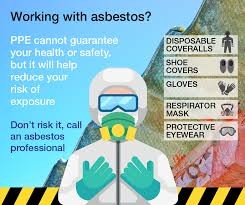
This course delivers critical competencies for identifying, handling, and managing asbestos-containing materials (ACMs), aligning with regulatory safe work methods.
* Asbestos types, health risks, and regulatory controls
* Recognizing ACMs in buildings and infrastructure
* Safe work procedures and PPE selection for handling/removal
* Air monitoring, decontamination, and workspace cleaning
* Licensing requirements, safe disposal, and asbestos registers
Demolition crews, maintenance workers, renovation contractors, safety officers.
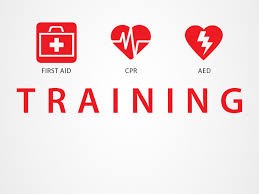
Comprehensive, scenario-based training for immediate response to medical emergencies, including life-saving resuscitation techniques.
* Primary survey (DRSABCD) and casualty assessment
* CPR for adults, children, and infants; AED operation
* Managing bleeding, shock, fractures, burns, and choking
* Recognition and response to medical events (anaphylaxis, asthma, seizures)
* Scenario drills and handover to emergency services
All employees, first responders, site medics, team leaders.
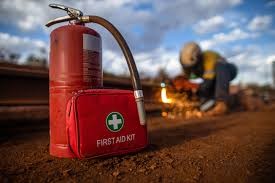
Training tailored to build fire prevention awareness and emergency response competence, including evacuation leadership and extinguisher use.
* Fire science basics and ignition sources
* Fire detection, alarms, and evacuation process management
* Extinguisher selection and live use demonstrations
* Emergency control roles, communication protocols, and accountability
* Post-incident response, incident reporting, and debriefing methods
Wardens, ERT members, facility managers, general workforce.
Focused on safe practices for road-based operations—from vehicle loading to driver behavior—aimed at reducing transport-related incidents.
* Vehicle pre-departure checks and basic maintenance
* Load restraint principles and proper loading techniques
* Driver fatigue management and defensive driving practices
* Risk evaluation of routes, speed limits, and environmental factors
* Incident response and reporting procedures for on-road events
Drivers, fleet managers, logistics staff, transport coordinators.
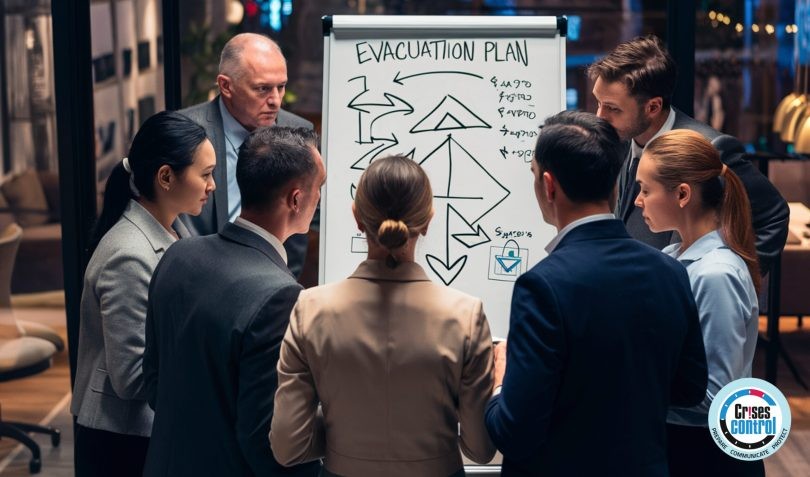
This course builds organizational capacity to prepare for, respond to, and recover from critical incidents.
* Crisis identification and impact assessment
* ERP design: roles, resources, communication pathways
* Evacuation drills and coordination with external responders
* Business continuity measures and alternative work processes
* After-action review and plan revising based on outcomes
Facility managers, HSE leads, supervisors, emergency coordinators.
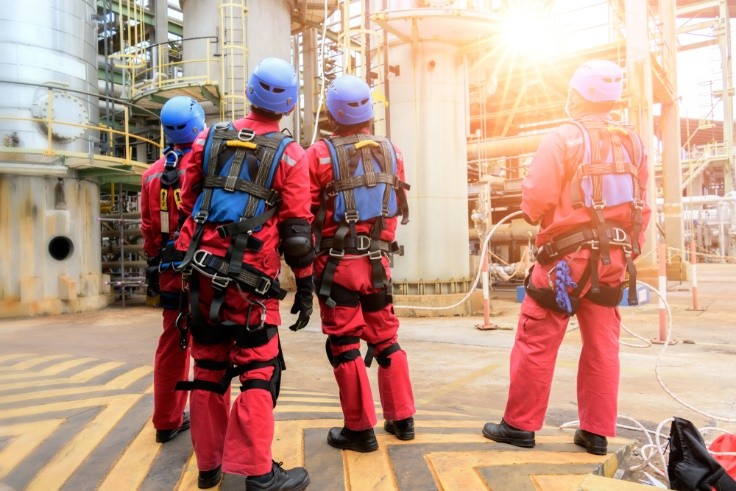
This high-risk competency teaches standby personnel to safely conduct rescues in height and confined space scenarios.
* Rescue roles and responsibility activation
* Non-entry rescue techniques using tripod, winch, harness systems
* Casualty retrieval (lifting/lowering) and suspension trauma arrest
* Communication, coordination, and emergency handover procedures
* Equipment maintenance and post-rescue reporting
Standby attendants, rescue team members, safety coordinators.
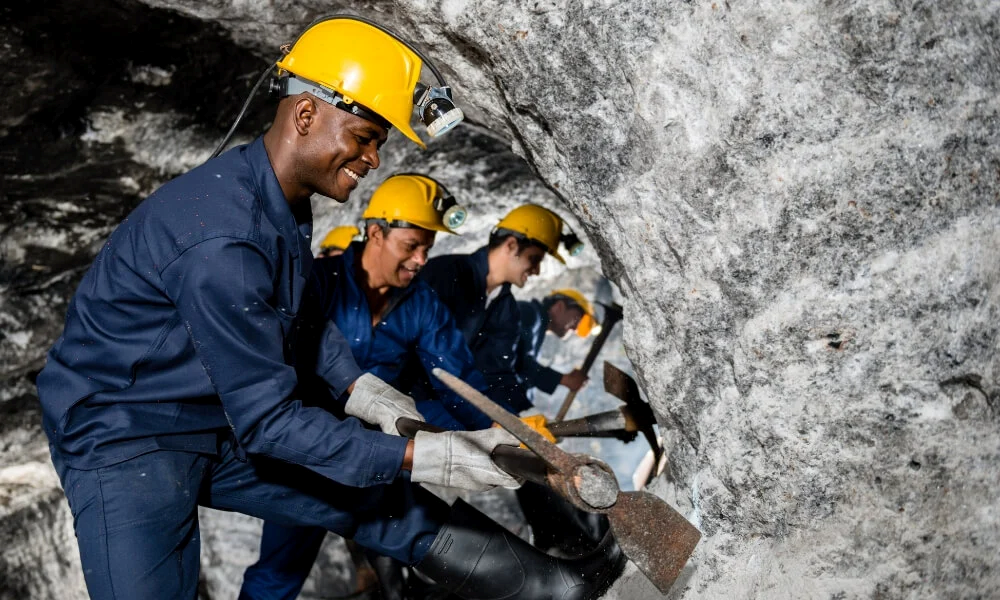
Designed for entry-level mine site staff and contractors, this course covers fundamental safety principles and compliance essentials for mining environments.
* Mining hazard awareness (ground control, mobile plant, dust)
* Permit systems for isolations and hot work
* Traffic and pedestrian separation in mining zones
* Emergency protocols: refuge chambers, communication systems, evacuation
* Environmental controls, noise mitigation, and fatigue management
Who Benefits: Mine site officers, supervisors, contractors, new employees.